AND INFRASTRUCTURE11SUSTAINABLE CITIES
AND COMMUNITIES12RESPONSIBLE CONSUMPTION
AND PRODUCTION13CLIMATE
ACTION
VCON · Sustainable concrete structures seminar
VCON Eco-Friendly Structures:
Transforming the Construction Industry Seminar
As a recognized leader in construction innovation, VCON is deeply committed to sustainability and environmental responsibility. In alignment with global climate goals and OECD policy frameworks on green growth and the circular economy, VCON launched the “VCON Eco-Friendly Structures: Transforming the Construction Industry” seminar series.
Held every two months, this recurring event brings together thought leaders to explore solutions for reducing the industry’s carbon footprint while maintaining structural performance and economic viability.
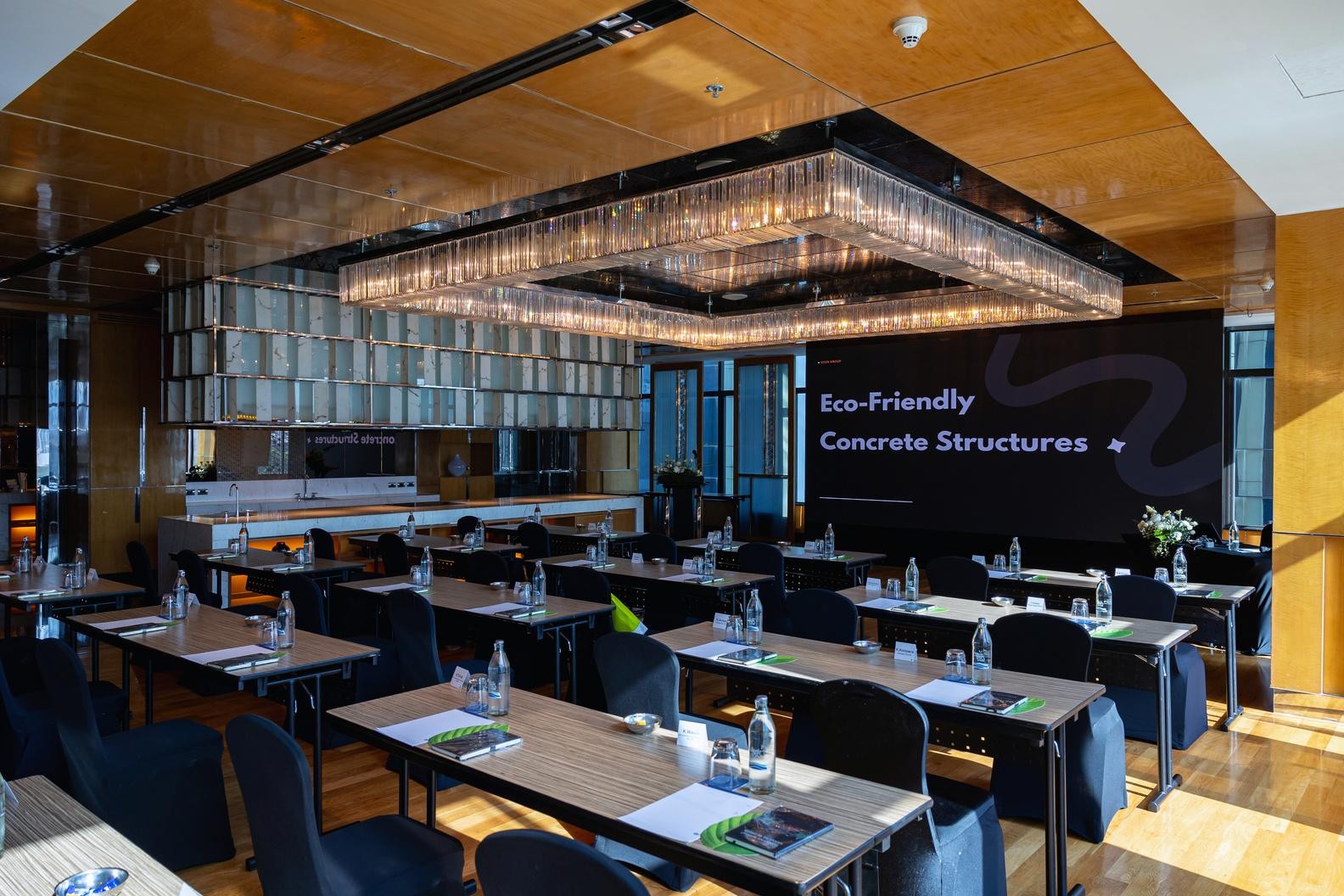
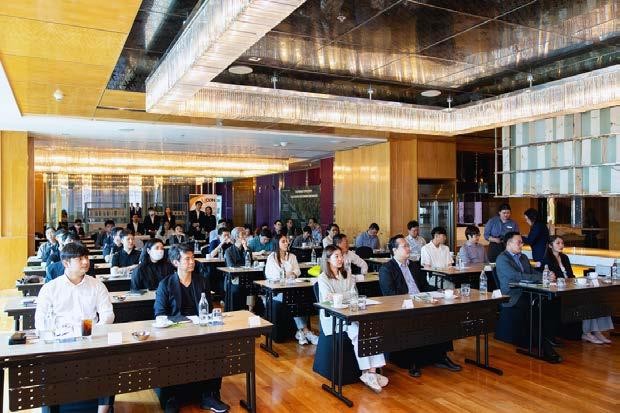
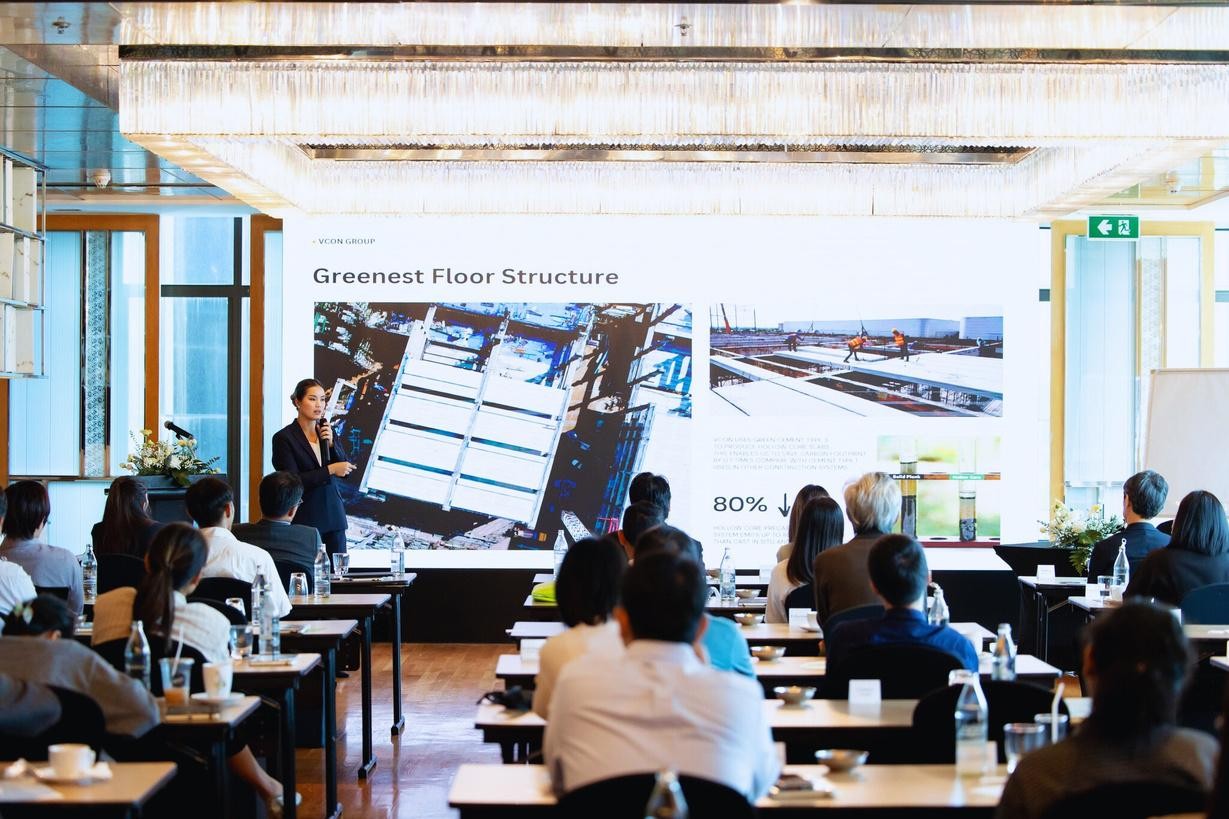
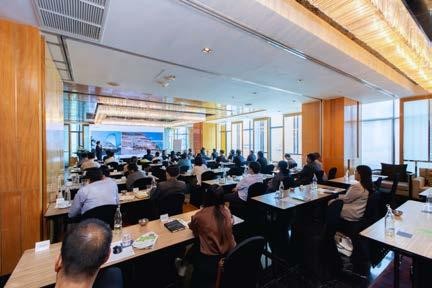
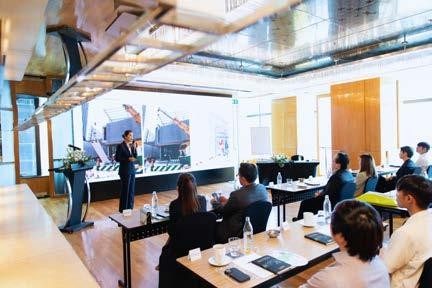
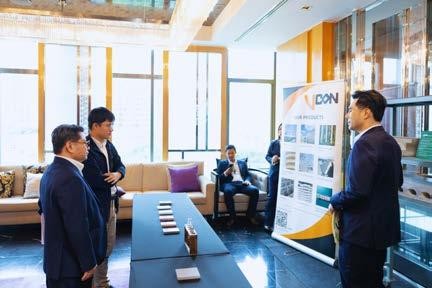
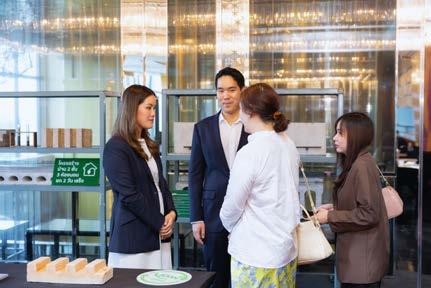
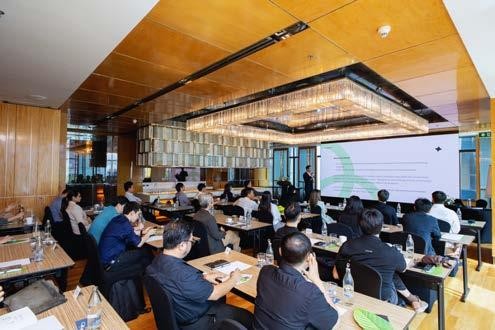
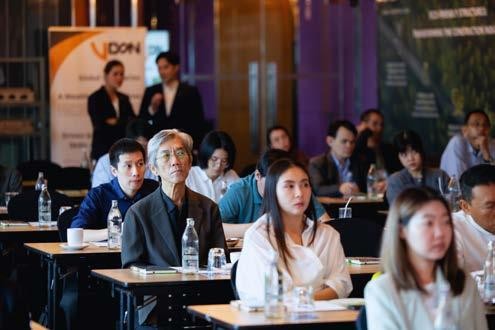
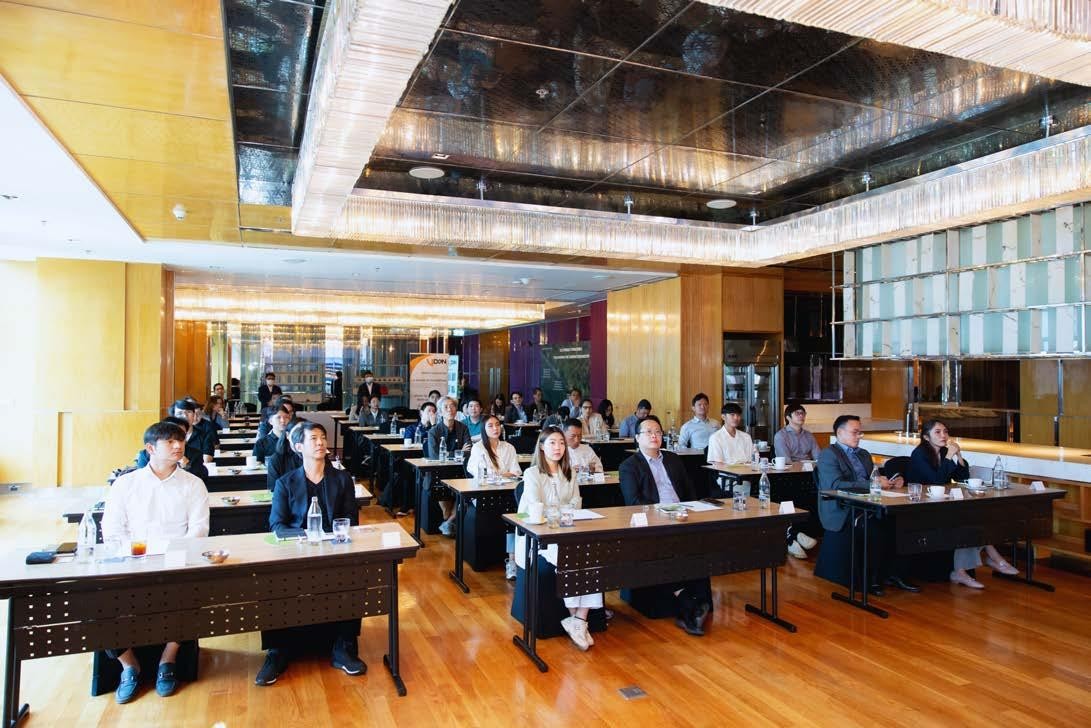
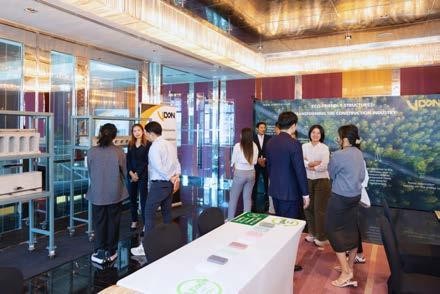
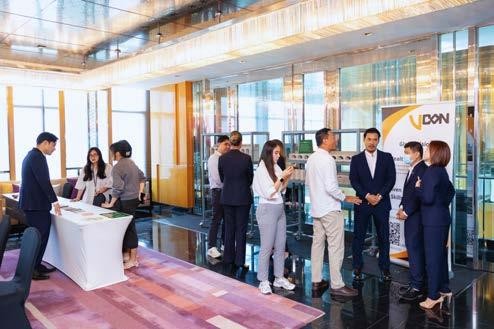
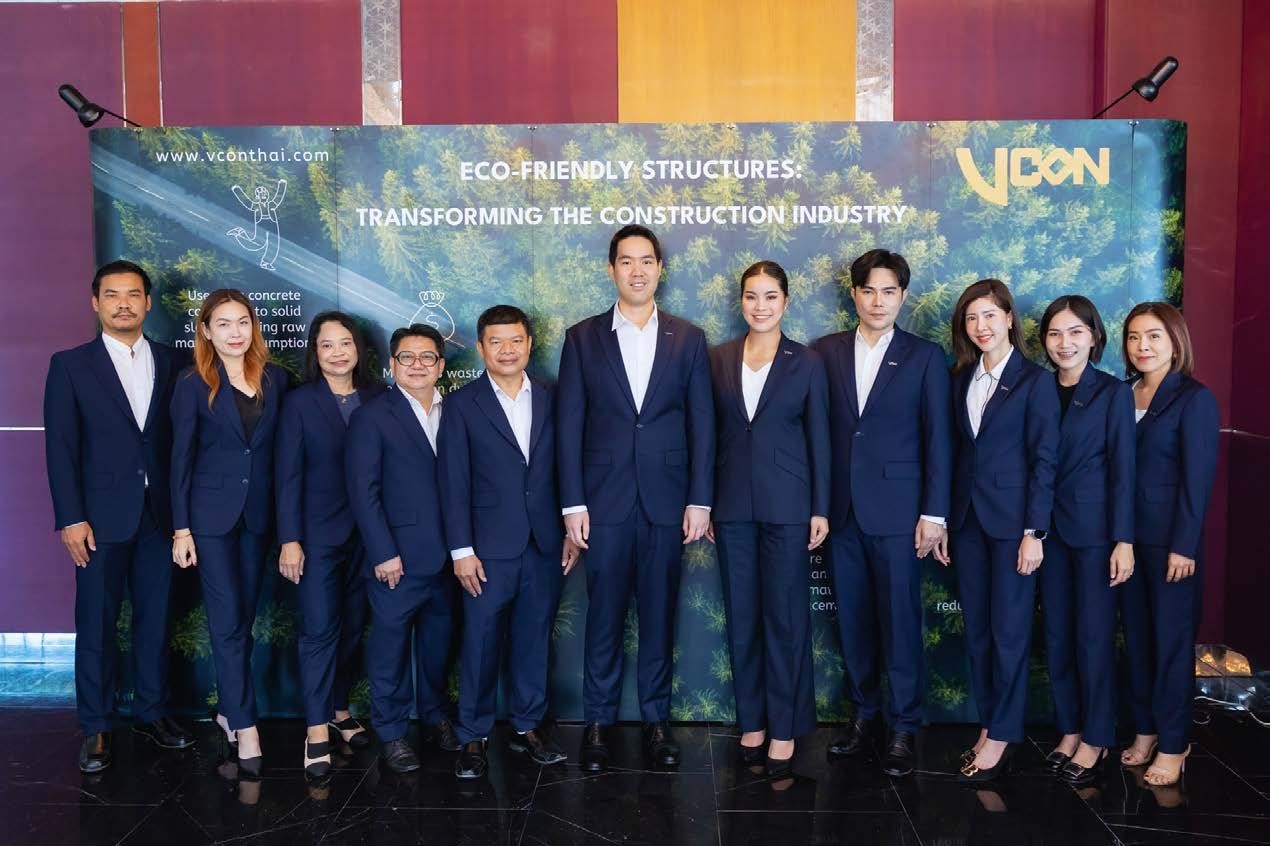
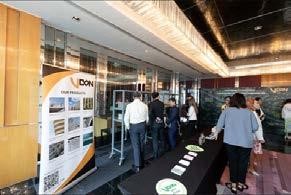
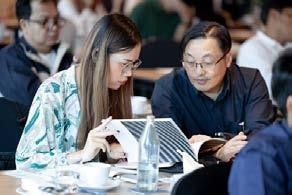
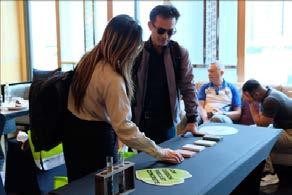
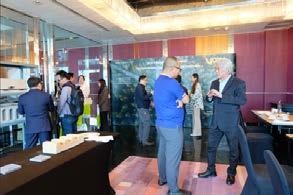
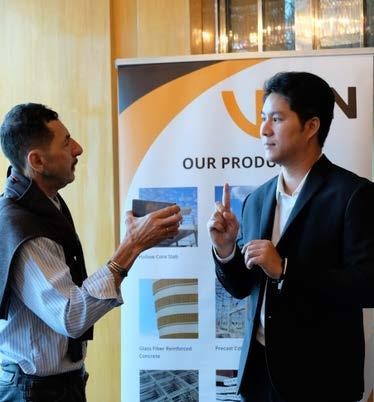
The most recent seminar was successfully hosted at The Renaissance Bangkok Hotel on February 28, 2025. The event convened a distinguished group of architects, project developers, and structural engineers to share knowledge and best practices. This initiative is part of VCON’s broader mission to promote resource-efficient, low-carbon construction aligned with international sustainability standards.
Purpose and Objectives
- Advance green and low-carbon construction practices through consistent knowledge exchange and technical dialogue.
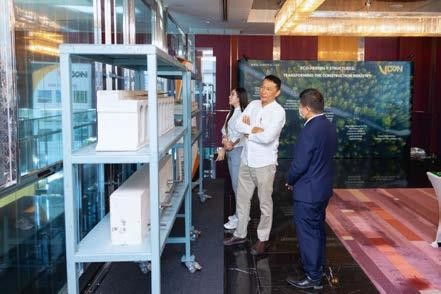
- Showcase sustainable precast concrete innovations that reduce material usage while preserving durability.
- Support OECD-aligned policies on circular economy, infrastructure resilience, and lifecycle design.
- Facilitate cross-industry collaboration to accelerate the adoption of environmentally responsible construction methods.
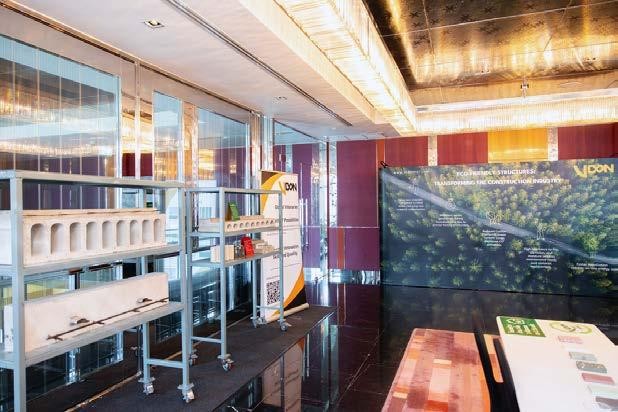
Eco-friendly structures
Transforming the construction industry
Knowledge exchange, technical dialogue, and cross-industry collaboration.
Less concrete
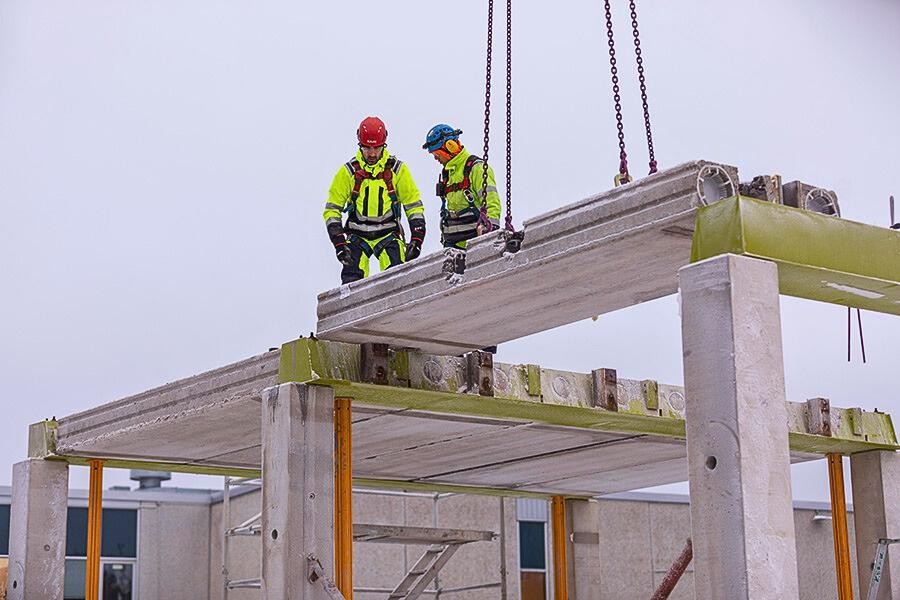
Uses less concrete compared to solid slabs, reducing raw material consumption.
Less manufacturing waste
Minimizes waste generation during manufacturing due to precise factory production.
Lower carbon footprint
Lower cement usage decreases CO2 emissions.
Long-term durability
High resistance to fire, corrosion and moisture reduces maintenance needs and material replacement.
Faster installation
Faster installation reduces on-site energy use.
Key Discussion Topics
Green Precast Concrete Innovation
Attendees explored how advancements in precast concrete technology can lower the environmental impact of construction. VCON shared its approach to reducing cement and steel usage, two major contributors to embodied carbon without compromising structural integrity or building longevity.
Material Efficiency and Lifecycle Optimization
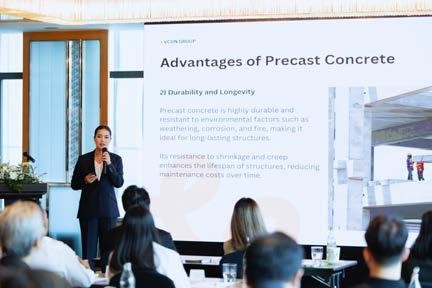
VCON experts emphasized design strategies that minimize material consumption while optimizing strength and performance. Lifecycle assessment methodologies were highlighted as essential tools for understanding long-term environmental impacts, in line with OECD recommendations.
Waste Reduction and Material Reuse
The seminar highlighted strategies to reduce construction waste and promote reuse. Techniques such as reusable precast concrete and lightweight structures were presented as effective methods to reduce excess material and improve sustainability outcomes.
Construction Waste Management
Sessions addressed construction waste separation, digital tracking systems, and on-site recycling processes. Presenters shared data-driven insights into how waste diversion strategies can dramatically reduce landfill contributions and support circular economy objectives.
Raising Awareness Through Carbon Emissions Data
To reinforce the urgency of sustainable construction, VCON presented industry-specific carbon emissions data that highlighted the sector’s contribution to global greenhouse gas outputs. Statistics on the embodied carbon in cement, steel, and construction processes were shared to contextualize the impact of building material choices and design strategies.
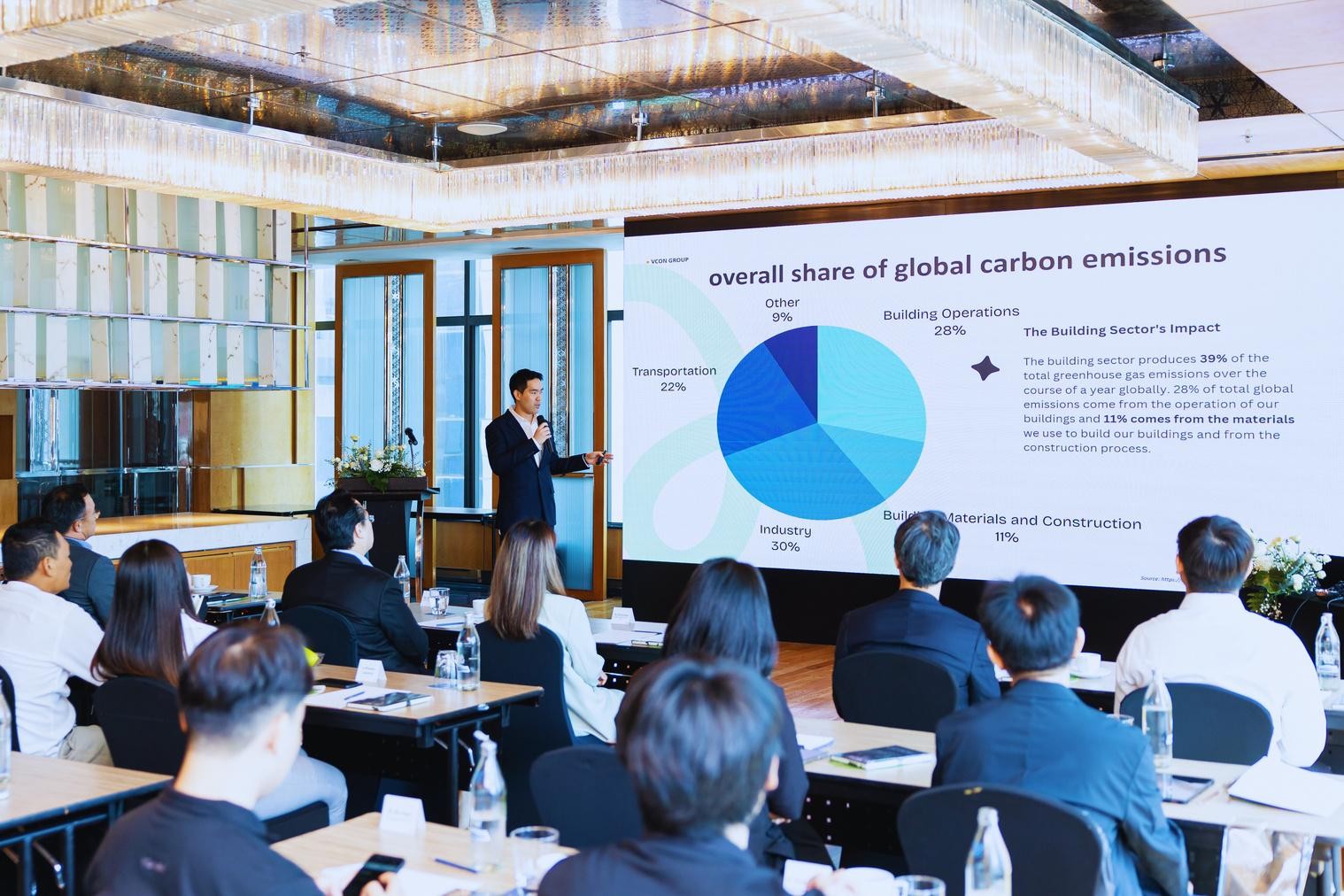
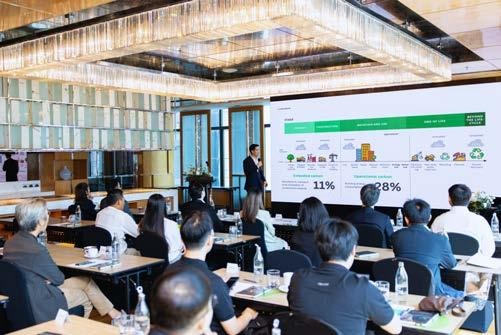
By providing clear, visualized emissions figures, the seminar empowered participants, particularly project owners and designers, with a deeper understanding of their role in climate change mitigation. The data-driven presentation helped stakeholders recognize how practical changes in material selection, structural systems, and waste handling can result in substantial carbon reductions across a building’s lifecycle.
This evidence-based approach reinforced the importance of proactive decision-making and the tangible environmental benefits of adopting green construction principles.
Continuing the conversation
Ongoing Commitment Through Bi-Monthly Seminars
By hosting this seminar series every two months, VCON fosters continuous engagement, encourages iteration on sustainable practices, and provides a platform for emerging technologies and pilot project outcomes. This frequency ensures the initiative remains dynamic, relevant, and responsive to industry challenges.
The “VCON Eco-Friendly Structures” seminar series is a cornerstone of VCON’s corporate social responsibility strategy. By driving innovation in green construction and aligning with both OECD principles and the United Nations Sustainable Development Goals, VCON is actively shaping a more sustainable future for the construction industry.
Through recurring knowledge-sharing, cross-sector collaboration, and a clear focus on climate impact, VCON continues to lead the way in responsible, forward-thinking infrastructure development.
Alignment with United Nations Sustainable Development Goals (UN SDGs)
This seminar series directly supports the following UN Sustainable Development Goals:
Industry, Innovation and Infrastructure
Encouraging sustainable industrial development through advanced construction technologies.
Sustainable Cities and Communities
Supporting the development of inclusive, resilient, and low-impact urban environments.
Responsible Consumption and Production
Promoting efficient resource use and minimizing construction waste.
Climate Action
Driving carbon reduction across the built environment.
Partnerships for the Goals
Building collaborative networks across disciplines to scale sustainable solutions.